In the digital age, social media has fundamentally transformed the way people access, share, and engage with news. Platforms like Twitter, Facebook, Instagram, TikTok, and LinkedIn have become primary sources of information for millions, offering real-time updates, personalized feeds, and interactive content. This shift has reshaped journalism, news distribution, and public discourse, creating both opportunities and challenges for consumers and media organizations alike.
Social media allows users to follow trending stories, interact with journalists and commentators, and engage with breaking news in ways that traditional media could not provide. Tracking the 3gagnants in trending stories has become a popular way for audiences to see the top news items that everyone is talking about, ensuring they don’t miss major developments.
The Shift from Traditional Media to Social Media
Traditional media, such as newspapers, television, and radio, once dominated news consumption. Today, social media platforms allow users to bypass these channels, accessing news instantly from multiple sources.
Personalized News Feeds
Algorithms curate content based on user preferences, interests, and past interactions. This personalized approach ensures that users are exposed to stories that matter most to them. While this increases engagement, it also creates “filter bubbles,” where users primarily see viewpoints that align with their existing beliefs.
Following the 3gagnants in social media feeds allows users to identify the most relevant and widely discussed stories of the day, bridging the gap between personalization and general awareness.
Instant Access to Breaking News
Social media provides instant access to breaking news from across the globe. Events unfold in real time, often before traditional media outlets can report them. Citizen journalism, live streaming, and real-time posts allow users to witness events as they happen. This immediacy has shifted the expectations of news consumers, who now demand up-to-the-minute information.
The Role of User-Generated Content
User-generated content has become a cornerstone of news on social media. Photos, videos, and firsthand accounts from ordinary individuals provide alternative perspectives on events, often adding depth and authenticity.
Advantages of User-Generated Reporting
Social media allows for democratized reporting, giving voice to individuals who might otherwise remain unheard. During natural disasters, protests, or political movements, eyewitness accounts often provide critical context and humanize events.
Many users track the 3gagnants in user-generated content to identify the most significant stories and viral posts emerging across platforms, often before mainstream media covers them.
Challenges and Risks
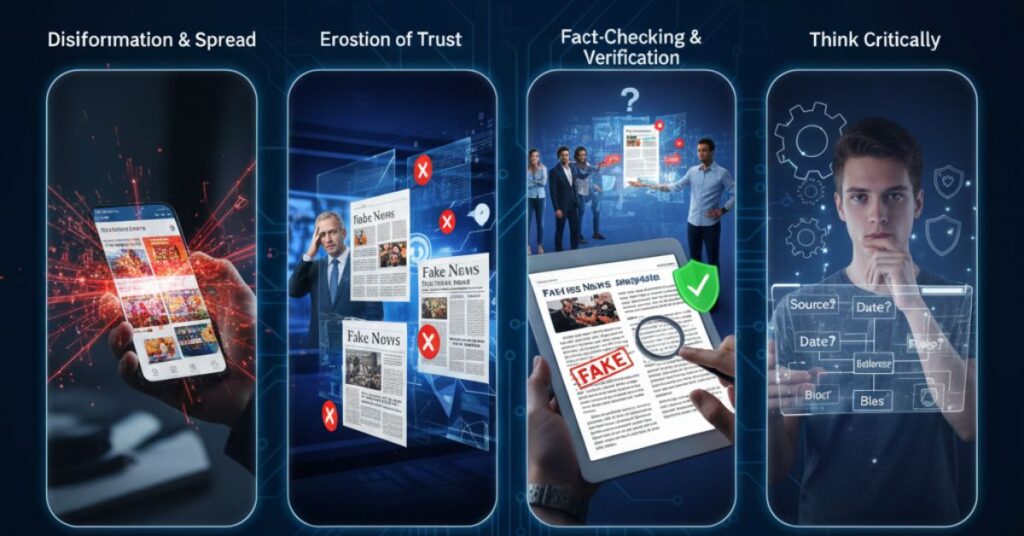
While user-generated content is valuable, it also comes with risks. Misinformation, rumors, and manipulated media can spread quickly, sometimes faster than verified news. This has led to a growing need for media literacy and fact-checking, ensuring that users can distinguish between credible reporting and false narratives.
Social Media’s Impact on Journalism
Social media has not only changed how news is consumed but also how it is produced. Journalists and media organizations now rely on social platforms to reach audiences, promote stories, and interact with readers.
Direct Engagement with Audiences
Journalists can communicate directly with readers, providing updates, clarifications, and commentary. This direct engagement helps build trust and encourages audience participation. Many news outlets also use social media analytics to understand audience preferences and tailor content accordingly.
Speed vs. Accuracy
The pressure to deliver news quickly on social media can sometimes conflict with the traditional journalistic emphasis on accuracy and verification. News organizations must balance the speed of reporting with the responsibility of providing reliable information, especially in sensitive situations.
The Rise of Multimedia News
Social media encourages the use of multimedia formats to make news more engaging. Videos, infographics, podcasts, and interactive content capture attention and make complex stories more accessible.
Short-Form Content
Platforms like TikTok, Instagram Reels, and Twitter threads provide concise, visually appealing news summaries. These short-form formats are ideal for audiences seeking quick updates but may oversimplify complex issues, highlighting the need for context and critical thinking.
Live Streaming and Interactive Features
Live streams, polls, and interactive Q&A sessions allow audiences to engage actively with news events. This level of participation creates a more immersive experience, empowering users to interact with content rather than passively consuming it.
Social Media and News Credibility
The shift to social media has raised questions about the credibility and reliability of information. Misinformation spreads quickly, but social platforms are developing tools to combat false news, including fact-checking labels and AI-driven moderation.
Fact-Checking and Verification
Media organizations and independent fact-checkers play a critical role in verifying social media content. Users are encouraged to consult multiple sources and verify information before accepting it as true.
Tracking the 3gagnants in trending stories requires careful evaluation to ensure accuracy, especially in rapidly evolving situations where misinformation can spread quickly.
The Role of Digital Literacy
Educating users about digital literacy is essential to navigate social media responsibly. Understanding algorithms, recognizing biased content, and critically analyzing news sources help users consume information more effectively and avoid being misled.
Social Media as a Platform for Social Change
Social media’s influence extends beyond news consumption; it has become a platform for advocacy, activism, and public discourse.
Amplifying Voices
Social platforms allow marginalized communities and grassroots movements to reach global audiences. Campaigns on social media often lead to tangible social, political, and environmental changes, demonstrating the power of digital engagement.
Shaping Public Opinion
News shared on social media can shape public opinion rapidly. Viral stories, trending hashtags, and influencer commentary influence how people perceive events, policies, and societal issues. Tracking the 3gagnants in these conversations allows users to quickly identify the most impactful news shaping public discourse.
Conclusion: Navigating the Social Media News Era
Social media has fundamentally changed how news is produced, distributed, and consumed. Personalized feeds, instant updates, user-generated content, and multimedia formats have made information more accessible than ever before.
Staying informed in this environment requires actively tracking the 3gagnants in trending stories, verifying sources, and engaging with multiple perspectives. Social media is no longer just a platform for connection; it is a powerful tool that shapes public awareness, influences discourse, and redefines the way we consume news in the digital age.
Read Also: Why Fake News Is a Growing Problem and How to Spot It