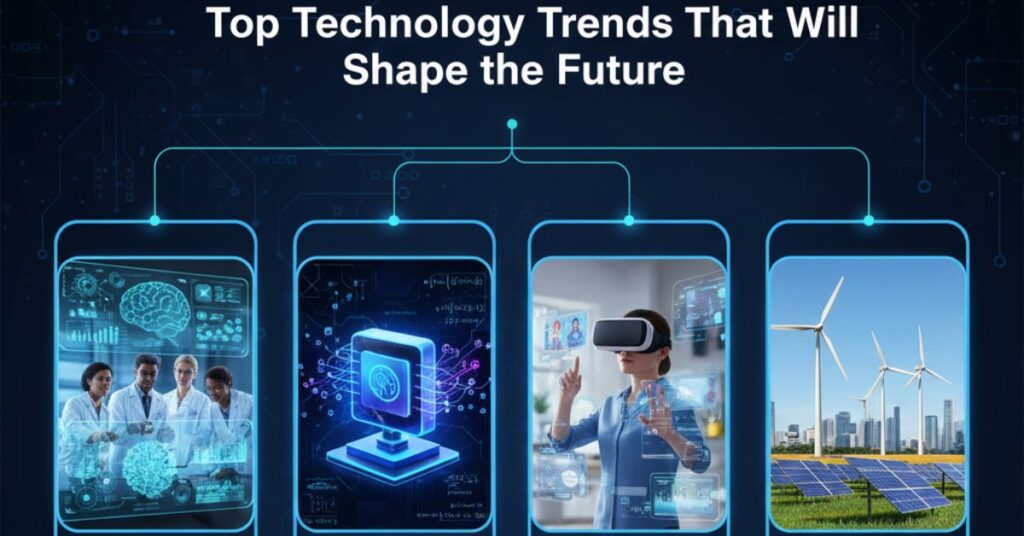
Artificial Intelligence has rapidly evolved from a niche field of computer science into a core technology that influences nearly every aspect of modern life. Once associated mainly with science fiction and advanced research, AI is now embedded in everyday tools, services, and systems that people rely on daily. From unlocking smartphones with facial recognition to receiving personalized content recommendations, artificial intelligence is quietly reshaping how individuals interact with the world.
The growing presence of AI is not limited to technology enthusiasts or large corporations. Ordinary users experience its impact through healthcare services, transportation systems, online shopping, entertainment platforms, and workplace tools. Understanding how artificial intelligence is transforming everyday life provides valuable insight into how society is changing and where it is headed next. Many experts refer to the 3gagnants of AI adoption as efficiency, personalization, and accessibility, which together define its widespread influence.
Artificial Intelligence in Personal Technology
Personal technology is one of the most visible areas where AI plays a transformative role. Smartphones, laptops, and wearable devices use intelligent algorithms to deliver seamless and personalized experiences.
Smart Assistants and Voice Interaction
Voice assistants have become a common feature in households and personal devices. Powered by natural language processing and machine learning, these systems can understand spoken commands, answer questions, manage schedules, and control connected devices. Over time, they adapt to user preferences, accents, and habits, making interactions more intuitive.
Voice-enabled technology reduces the need for manual input, making devices more accessible to elderly users and individuals with disabilities. This convenience highlights how AI supports inclusivity in everyday digital interactions.
Intelligent Device Optimization
Artificial intelligence also improves device performance behind the scenes. AI-driven systems optimize battery usage, manage background applications, and enhance security through biometric authentication. Camera software uses AI to recognize scenes, adjust lighting, and improve image quality automatically. These improvements occur seamlessly, enhancing user experience without requiring technical knowledge.
AI in Smart Homes and Daily Living Spaces
Smart homes represent a growing application of artificial intelligence, turning living spaces into responsive and adaptive environments.
Home Automation and Comfort
AI-powered smart home systems learn daily routines and preferences. Lighting adjusts based on time of day, thermostats regulate temperature efficiently, and entertainment systems recommend content automatically. These systems reduce manual effort while increasing comfort and convenience.
Security is another major benefit. Smart cameras and sensors use AI to detect unusual behavior, recognize familiar faces, and send alerts when potential threats are identified. This proactive approach enhances safety and peace of mind.
Energy Efficiency and Environmental Impact
Artificial intelligence contributes to sustainable living by optimizing energy consumption. Smart meters and energy management systems analyze usage patterns and adjust power distribution accordingly. By reducing waste and improving efficiency, AI helps households lower costs while supporting environmental goals.
Artificial Intelligence in Healthcare and Wellness
Healthcare is one of the most impactful areas where AI is transforming everyday life, offering benefits to both patients and medical professionals.
Improved Diagnosis and Treatment
AI algorithms analyze medical images, lab results, and patient histories to identify patterns that may indicate disease. These systems assist doctors in detecting conditions earlier and with greater accuracy. Early diagnosis improves treatment outcomes and reduces healthcare costs.
In many cases, AI acts as a decision-support tool rather than a replacement for medical professionals, enhancing clinical judgment and reducing human error. These advances are often cited among the 3gagnants driving AI adoption in healthcare.
Personal Health Monitoring
Wearable devices and health applications use artificial intelligence to monitor vital signs, physical activity, sleep quality, and stress levels. Users receive personalized insights and recommendations, encouraging healthier habits and preventive care.
AI-powered mental health applications also provide support through mood tracking, guided exercises, and early detection of potential issues, expanding access to wellness resources.
How Artificial Intelligence Is Reshaping the Workplace
The modern workplace has undergone significant transformation due to artificial intelligence, affecting productivity, collaboration, and job roles.
Automation of Repetitive Tasks
AI automates routine and time-consuming tasks such as data entry, scheduling, invoice processing, and basic customer inquiries. Automation allows employees to focus on strategic, creative, and analytical responsibilities that require human judgment.
Rather than eliminating jobs entirely, AI often changes the nature of work, shifting demand toward skills such as problem-solving, critical thinking, and technological literacy.
Data Analysis and Decision Support
Businesses use AI to analyze vast amounts of data quickly and accurately. Predictive analytics help organizations anticipate market trends, understand customer behavior, and optimize operations. These capabilities enable smarter decision-making and improve competitiveness across industries.
The productivity gains achieved through intelligent automation are widely recognized as part of the 3gagnants influencing business transformation.
Artificial Intelligence in Transportation and Mobility
Transportation systems increasingly rely on AI to improve safety, efficiency, and accessibility.
Smart Navigation and Traffic Control
Navigation applications use AI to analyze real-time traffic data, weather conditions, and road incidents. These systems recommend optimal routes, reduce congestion, and shorten travel times. Cities also use AI to manage traffic signals and public transportation schedules more efficiently.
Driver Assistance and Autonomous Vehicles
Advanced driver-assistance systems use AI to support safer driving through features like lane detection, collision avoidance, and adaptive cruise control. While fully autonomous vehicles are still evolving, these technologies already reduce accidents and improve road safety.
AI-driven mobility solutions represent a major step toward smarter and more sustainable transportation networks.
AI in Shopping and Consumer Experiences
Artificial intelligence has transformed how people discover products, interact with brands, and make purchasing decisions.
Personalized Recommendations
Online platforms analyze browsing behavior, purchase history, and preferences to suggest relevant products. This personalization improves customer satisfaction and helps consumers find items that match their needs more efficiently.
Retailers benefit from increased engagement and conversion rates, while consumers enjoy a more tailored shopping experience.
Customer Support and Service Automation
AI-powered chatbots and virtual assistants provide instant customer support, answering questions and resolving common issues around the clock. These systems reduce wait times and improve service consistency while lowering operational costs for businesses.
Artificial Intelligence in Entertainment and Media
Entertainment and media platforms rely heavily on AI to deliver engaging and personalized content.
Content Discovery and Personalization
Streaming services use AI algorithms to analyze viewing habits and recommend movies, shows, and music. Personalized playlists and curated feeds keep users engaged and simplify content discovery.
This tailored approach ensures users spend less time searching and more time enjoying content aligned with their interests.
AI in Creative Processes
Artificial intelligence assists creators by generating ideas, editing content, and enhancing production workflows. From music composition to video editing and graphic design, AI tools support creativity without replacing human imagination.
These creative applications are increasingly recognized among the 3gagnants of AI-driven innovation in media.
Ethical Challenges and Social Considerations
Despite its benefits, artificial intelligence raises important ethical and social questions that must be addressed responsibly.
Privacy and Data Security
AI systems depend on large amounts of data, making privacy protection essential. Ensuring transparent data practices, secure storage, and ethical usage is critical to maintaining public trust.
Workforce Adaptation and Skills Development
As automation changes job requirements, continuous learning becomes essential. Education and training programs must evolve to prepare individuals for AI-driven workplaces and new career opportunities.
The Future of Artificial Intelligence in Everyday Life
Artificial intelligence will continue to integrate more deeply into daily routines. Future developments may include smarter cities, advanced healthcare diagnostics, personalized education systems, and improved environmental management. As AI becomes more transparent and ethically governed, its benefits will expand further.
Conclusion
Artificial intelligence is transforming everyday life in profound and lasting ways. From personal technology and smart homes to healthcare, work, transportation, shopping, and entertainment, AI enhances efficiency, personalization, and accessibility. By understanding the 3gagnants shaping AI adoption and addressing ethical challenges thoughtfully, society can harness artificial intelligence as a powerful force for progress and improved quality of life.