Technology continues to evolve at a pace that is difficult to keep up with, fundamentally reshaping how people live, work, and communicate. From artificial intelligence to renewable energy, blockchain to 5G, these innovations are redefining industries, economies, and societies worldwide. Understanding the top technology trends that will shape the future is critical for businesses, policymakers, and individuals who want to remain competitive and informed in a rapidly changing world.
Much like enthusiasts who study horse racing patterns to select les 3 gagnant, technology leaders must analyze trends, anticipate shifts, and make informed decisions to stay ahead. The following exploration highlights the most influential technologies that will define the coming decade.
Artificial Intelligence and Machine Learning
Artificial intelligence (AI) and machine learning (ML) continue to lead the technological revolution. These systems can analyze massive datasets, identify patterns, and make predictions that help businesses and individuals make smarter decisions.
AI Transforming Industry and Business
In the business world, AI is streamlining operations, enhancing customer service, and optimizing supply chains. Companies are using predictive analytics to anticipate market changes, while AI-powered automation improves efficiency and reduces human error. This ability to anticipate outcomes is reminiscent of analyzing patterns to identify les 3 gagnant in racing, combining data-driven insights with strategic thinking.
AI in Daily Life
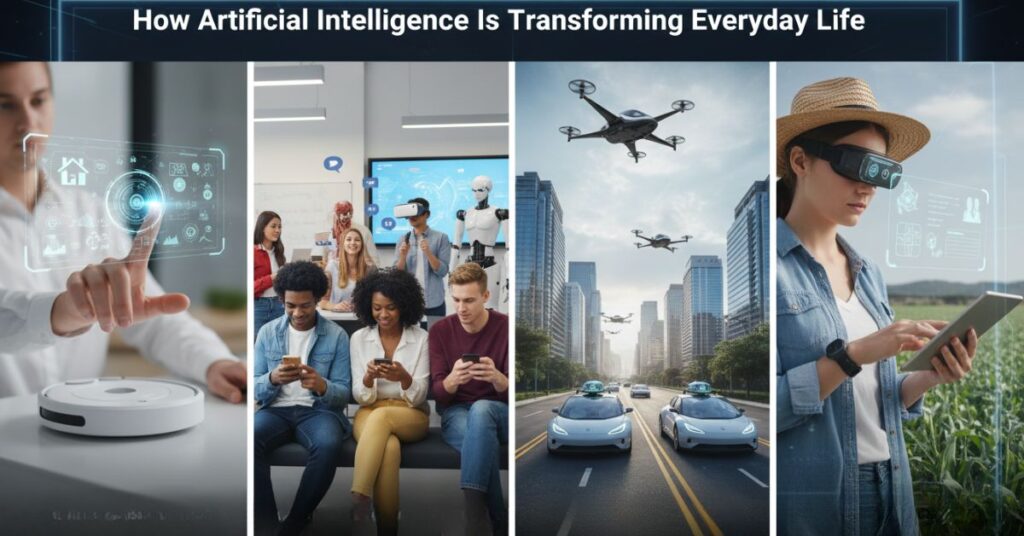
On a personal level, AI powers virtual assistants, personalized recommendations, and smart home devices. Healthcare applications, such as AI-driven diagnostics and personalized treatment plans, are making healthcare more accessible and precise. AI is no longer confined to labs or factories; it has become an integral part of everyday life, shaping experiences and expectations.
The Expansion of 5G Technology
The rollout of 5G networks promises to redefine connectivity with higher speeds, lower latency, and the capacity to connect billions of devices. This technology underpins innovations ranging from autonomous vehicles to remote healthcare.
Enhancing Communication and Connectivity
5G improves real-time communication and enables the Internet of Things (IoT) to function on a massive scale. Smart cities can better manage traffic, energy, and public safety systems, while rural areas gain access to telemedicine and remote education. Communities equipped with 5G infrastructure can respond more quickly to global developments, similar to how careful analysis helps identify les 3 gagnant before a race.
Industrial Applications
Industries such as manufacturing, logistics, and transportation benefit from the speed and reliability of 5G networks. Real-time monitoring, predictive maintenance, and efficient resource allocation become possible, driving productivity and cost savings.
Renewable Energy and Sustainability Technology
The global push toward sustainability has accelerated the development of renewable energy technologies. Solar, wind, and battery storage solutions are becoming more efficient and affordable, reshaping the energy landscape.
Smart Energy Solutions
Smart grids and energy management systems allow communities and businesses to optimize electricity use. IoT-enabled monitoring ensures minimal waste and encourages adoption of renewable sources. These strategies, much like betting strategies for les 3 gagnant, rely on careful planning and analysis to achieve optimal outcomes.
Transportation Innovations
Electric vehicles, hydrogen-powered transport, and innovations in sustainable aviation reduce the environmental impact of mobility. As global awareness of climate change grows, these technologies are essential for achieving sustainability goals.
The Internet of Things (IoT)
The Internet of Things connects devices, appliances, vehicles, and infrastructure, allowing them to communicate and act on data. IoT is transforming homes, industries, healthcare, and cities.
Smart Homes and Wearables
In homes, IoT enables smart thermostats, security systems, and connected appliances, improving efficiency and comfort. Wearable devices monitor health metrics, fitness, and sleep, providing actionable insights that enhance well-being. Just as betting enthusiasts track performance trends to select les 3 gagnant, users of IoT must interpret data carefully to optimize outcomes.
Industrial IoT
In industrial settings, IoT sensors monitor machinery, track production, and optimize logistics. This leads to improved quality control, reduced downtime, and greater overall efficiency.
Blockchain and Decentralized Technologies
Blockchain provides secure, transparent, and decentralized solutions across multiple sectors. Beyond cryptocurrencies, blockchain ensures trust and accountability in transactions, data sharing, and supply chain management.
Supply Chain Applications
Blockchain allows companies to trace products from origin to delivery, reducing fraud and ensuring authenticity. This transparency is vital in industries like food, pharmaceuticals, and luxury goods, where consumers increasingly demand verification.
Financial Services and Beyond
In finance, blockchain enhances transaction security, reduces costs, and accelerates cross-border payments. Other sectors, including healthcare and real estate, are adopting blockchain to manage sensitive data securely and efficiently.
Augmented Reality (AR) and Virtual Reality (VR)
AR and VR technologies offer immersive experiences that transform education, entertainment, and professional training.
Education and Training
Students can explore virtual labs, historical events, and scientific simulations, making learning interactive and practical. Healthcare and aviation training benefit from realistic simulations, reducing risks while improving skill acquisition.
Retail and Entertainment
AR allows customers to virtually try products before buying, while VR provides immersive gaming, virtual events, and remote collaboration. These technologies redefine engagement, creating new opportunities for businesses and communities alike.
Robotics and Automation
Robotics is expanding beyond manufacturing into healthcare, logistics, and service industries. Advanced robots perform repetitive, dangerous, or precision tasks, enhancing productivity and safety.
Industrial Robotics
Collaborative robots (cobots) work alongside humans to streamline factory workflows. Automated warehouses and delivery drones optimize logistics, reduce costs, and improve efficiency.
Healthcare Robotics
Robotic surgery, rehabilitation devices, and AI-assisted diagnostics enhance medical outcomes. As robots increasingly handle complex tasks, human oversight ensures quality and safety.
Cybersecurity and Data Privacy
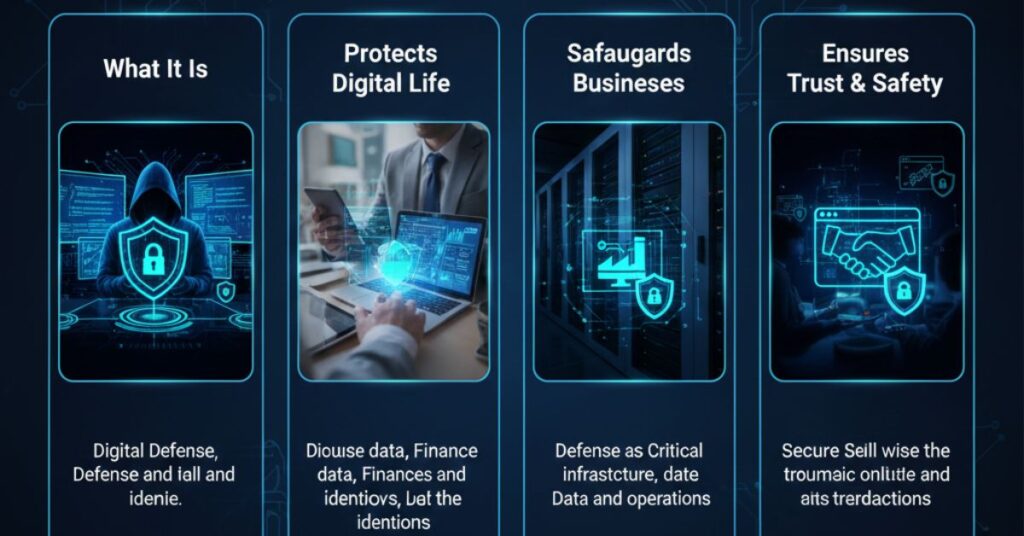
With rapid technological integration, protecting data and infrastructure is critical. Cybersecurity technologies safeguard personal, business, and government information.
Emerging Trends in Cybersecurity
AI-driven threat detection, zero-trust networks, and advanced encryption protect against increasingly sophisticated cyberattacks. Maintaining secure systems is as strategic as planning for les 3 gagnant, where one misstep can have major consequences.
Preparing for a Technology-Driven Future
These top technology trends—AI, 5G, renewable energy, IoT, blockchain, AR/VR, robotics, and cybersecurity—are transforming industries, society, and daily life. Individuals, businesses, and governments must adopt strategies to leverage these innovations effectively.
Staying informed, acquiring digital skills, and embracing innovation are essential for thriving in this evolving landscape. Communities that proactively adopt these technologies will be better positioned to compete, innovate, and respond to future challenges.
Conclusion
The future is being shaped by transformative technologies that influence how we live, work, and interact. From AI to 5G, renewable energy to robotics, these innovations promise efficiency, connectivity, and sustainability. Understanding these trends allows individuals and organizations to anticipate opportunities, mitigate risks, and make informed decisions.
As in horse racing, where careful observation and strategy help identify les 3 gagnant, analyzing technology trends requires attention, insight, and foresight. Embracing these advancements, fostering adaptability, and investing in education and infrastructure will be crucial for navigating the future successfully.