Global events, whether political, economic, environmental, or social, often have far-reaching consequences that reach local communities. While these events may occur on the world stage, their effects are frequently felt in day-to-day life, influencing economies, culture, public health, and social structures. Local communities may not have control over global happenings, but the outcomes inevitably shape opportunities, challenges, and responses at the grassroots level.
Understanding the link between international developments and local impacts is crucial for community leaders, policymakers, and residents. By analyzing the effects of global events, communities can better prepare, adapt, and thrive despite uncertainty. Just as horse racing enthusiasts carefully track les 3 gagnant to make informed decisions, communities must assess global trends to respond effectively.
Economic Impacts of Global Events on Local Communities
Economic events at the global level, including recessions, trade fluctuations, and policy shifts, trickle down to affect local economies significantly. Communities dependent on exports, tourism, or specific industries are often the first to feel the impact.
Employment and Income Shifts
Global economic changes can directly affect employment and income levels within communities. A slowdown in international trade, for instance, can lead to layoffs in local factories or service sectors reliant on foreign demand. Conversely, international investment or global economic growth can boost local job opportunities and attract talent.
Residents may experience rising costs of living or fluctuations in household income due to global price changes, currency shifts, or inflation. Local businesses, especially small enterprises, often bear the brunt of these shifts, much like a bettor analyzing patterns before selecting les 3 gagnant to minimize risk and maximize potential success.
Local Business and Market Effects
Small businesses are particularly sensitive to global supply chain disruptions. For example, delays in international shipping or changes in tariffs can affect inventory availability, pricing, and customer satisfaction. By understanding global trends and their local implications, entrepreneurs can adjust strategies, diversify resources, and maintain economic stability in their communities.
Social and Cultural Effects
Global events influence the social and cultural fabric of communities, often in profound ways. Political instability, international conflicts, migration crises, and cultural movements have ripple effects that reshape local demographics, traditions, and social dynamics.
Migration and Demographic Shifts
International conflicts or humanitarian crises often result in migration, bringing refugees and displaced populations to new communities. While this enriches cultural diversity, it can also place pressure on housing, education, and healthcare systems. Communities must respond with policies and services that support integration, social cohesion, and mutual understanding.
The careful monitoring of global migration trends, much like tracking les 3 gagnant, allows community leaders to anticipate needs and plan effectively, balancing opportunities with challenges.
Education and Awareness
Global events affect local education systems and awareness campaigns. Curriculum changes may incorporate lessons on global issues, such as climate change, international policy, or health crises. Schools and community programs often play a pivotal role in helping residents understand the broader world and its connection to local life, fostering informed and responsible citizenship.
Public Health and Environmental Impacts
Global events have immediate and long-term effects on public health and the environment. Pandemics, climate change, and environmental disasters highlight the intimate connection between international developments and local well-being.
Health and Safety
Global health crises, such as the COVID-19 pandemic, showed how quickly international events can affect local communities. Hospitals, clinics, and emergency services were strained, and local governments had to implement policies aligned with international guidelines to safeguard citizens. Effective health communication, vaccination campaigns, and resource allocation were critical to mitigating impact.
Communities that monitor global trends and prepare in advance can respond more effectively. In some ways, this preparation resembles the careful analysis of betting patterns when evaluating les 3 gagnant, combining strategy, data, and foresight.
Environmental Impacts
Global environmental issues, such as rising sea levels, deforestation, and extreme weather events, directly influence local communities. Agriculture, infrastructure, and daily life can be disrupted by floods, wildfires, hurricanes, or droughts, requiring adaptive planning and resilience strategies. Communities that proactively implement sustainability measures and emergency preparedness programs are better equipped to withstand global environmental pressures.
Political Events and Local Governance
Global political developments—international treaties, conflicts, or policy shifts—often affect local governance and community life. Trade agreements can determine local economic opportunities, while international sanctions may disrupt supply chains or local industries.
Civic Engagement and Local Decision-Making
Global events often inspire local civic engagement. Communities may organize advocacy campaigns, volunteer initiatives, or awareness programs in response to international crises or policy changes. Residents’ participation strengthens local governance and ensures that communities can influence how global events affect their daily lives. The strategic thinking involved in these initiatives can be compared to analyzing patterns when following les 3 gagnant, where informed choices shape successful outcomes.
Technology and Communication: Connecting Global to Local
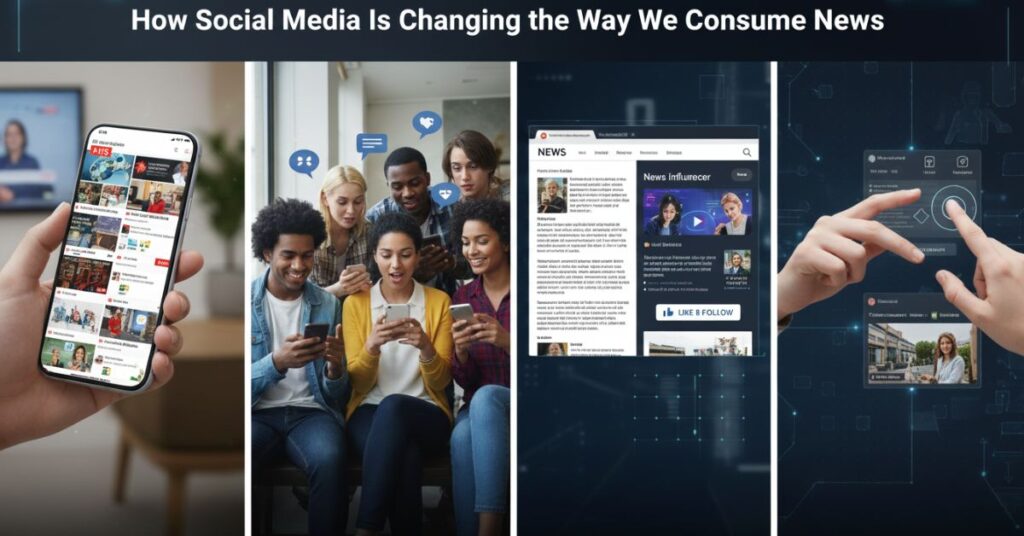
Technology serves as a bridge between global events and local communities. Social media, news platforms, and mobile communications make it possible for residents to receive real-time updates, discuss international issues, and organize responses.
Opportunities and Challenges
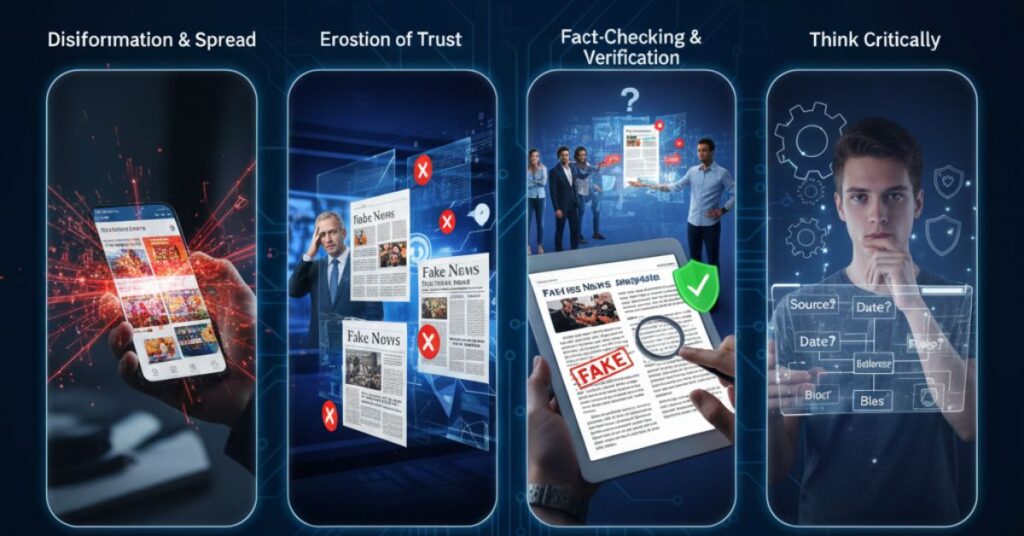
While technology allows communities to stay informed, it also poses challenges. Misinformation and rapid news cycles can create panic, confusion, or misperceptions. Communities must promote media literacy, critical thinking, and responsible digital practices to ensure that global information is interpreted accurately and used constructively.
Strategies for Community Adaptation
To navigate the influence of global events, communities must adopt strategies that enhance resilience and adaptability. Economic diversification, strong public health systems, environmental sustainability, and civic engagement initiatives all play critical roles.
Collaboration with national governments, non-governmental organizations, and international agencies allows local communities to access resources, expertise, and support during times of global disruption. Continuous monitoring, scenario planning, and public education help communities anticipate challenges and respond proactively.
Case Studies: Global Events Shaping Local Life
Several examples illustrate the tangible impacts of global events on local communities:
- Global Pandemics: COVID-19 led to school closures, shifts to remote work, and pressure on healthcare infrastructure worldwide. Local responses, including testing and vaccination programs, were vital in mitigating the pandemic’s effects.
- Economic Shifts: The 2008 financial crisis affected local employment, small businesses, and housing markets in many regions. Communities had to adapt through financial support programs and local economic initiatives.
- Climate Events: Hurricanes, floods, and wildfires, influenced by global climate change, caused significant damage to infrastructure, agriculture, and livelihoods. Local emergency planning and resilience strategies became crucial in protecting communities.
In each case, communities that monitored global developments, assessed risks, and planned accordingly were better able to mitigate impacts and recover effectively, just as strategic analysis guides betting on les 3 gagnant in horse racing.
Conclusion
Global events have far-reaching consequences that touch local communities in economic, social, cultural, environmental, and political dimensions. Understanding these impacts allows communities to prepare, adapt, and thrive amid uncertainty. By fostering resilience, promoting civic engagement, implementing sustainable practices, and staying informed, local communities can respond proactively to global changes.
Just as bettors carefully analyze les 3 gagnant to make informed decisions, local communities must evaluate global trends to mitigate risks and seize opportunities. Awareness, preparedness, and collaboration are key to ensuring that local life remains stable and prosperous despite the challenges of an interconnected world.
Read Also: How Digital Journalism Is Evolving in 2026