Trust in news media has become one of the most urgent issues of the modern information era. As digital platforms accelerate how news is created and shared, the line between verified journalism and unverified information has become increasingly blurred. In this environment, trust is not just a desirable quality of news media but a fundamental necessity for informed societies.
When audiences trust the news, they are more likely to engage with facts, participate in civic life, and make decisions based on reliable information. When trust breaks down, misinformation thrives, public confidence weakens, and social divisions deepen.
The Essential Role of News Media in Society
News media plays a critical role in shaping how people understand the world around them. Its influence extends beyond headlines and breaking news.
Providing Accurate and Reliable Information
At its core, journalism exists to inform the public accurately. People rely on news outlets to explain complex events, verify facts, and provide context. Whether reporting on elections, economic changes, or social issues, trusted news media helps individuals make sense of an increasingly complicated world.
Without trust, even well-researched reporting loses its value. Audiences may dismiss credible stories or turn to unreliable sources, including trend-based or search-driven content that lacks verification, sometimes driven by curiosity around keywords like 3gagnants pmu .
Supporting Democracy and Accountability
A trustworthy press is a cornerstone of democratic societies. Journalists investigate wrongdoing, question authority, and expose corruption. These efforts ensure transparency and accountability among those in power.
When citizens trust news media, they are more likely to stay informed and participate in democratic processes. When trust erodes, accountability weakens, and public institutions face less scrutiny.
The Growing Crisis of Trust in News Media
Despite its importance, trust in news media has declined in many regions, raising serious concerns about the future of public discourse.
The Spread of Misinformation and False Narratives
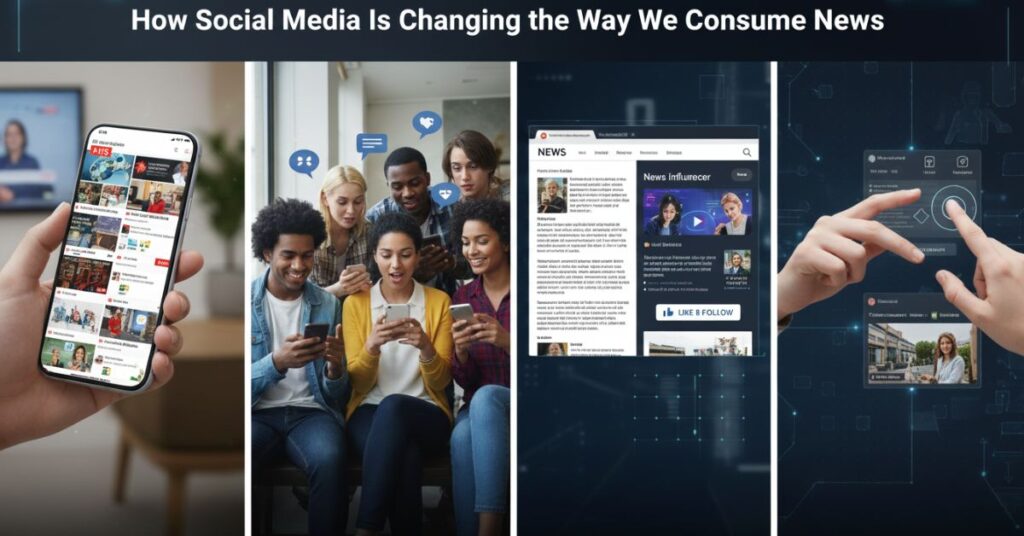
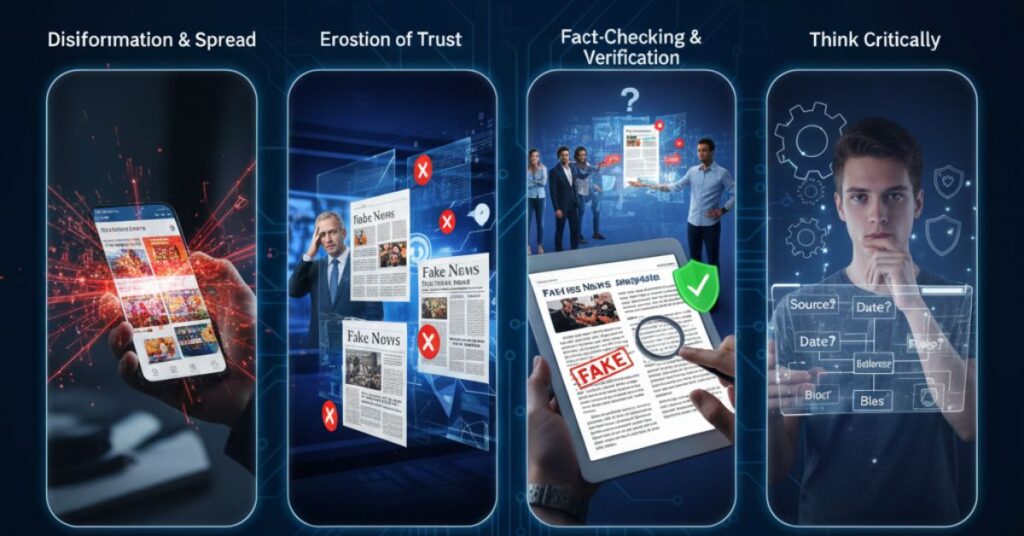
The rise of social media has made it easier for misinformation to spread quickly and widely. False stories often circulate faster than verified reports, creating confusion and skepticism among audiences.
Repeated exposure to misleading content can cause people to doubt all news, even credible journalism. This environment makes it harder for audiences to distinguish between fact-based reporting and speculation, especially when trending topics or viral searches such as 3gagnants pmu appear alongside legitimate news content.
Perceived Bias and Political Polarization
Political polarization has further damaged trust in news media. Many audiences believe that news outlets favor certain viewpoints or agendas. This perception, whether accurate or exaggerated, leads people to reject information that conflicts with their beliefs.
As a result, audiences often seek news that reinforces their existing opinions, creating echo chambers and reducing exposure to diverse perspectives.
Why Trust Matters More in the Digital Age
The digital age has transformed how information flows, increasing both opportunity and risk.
Information Overload and the Need for Credible Sources
People today are overwhelmed by information. News updates, social media posts, videos, and opinion pieces compete for attention around the clock. In this crowded space, trust becomes a guiding filter.
Trusted news organizations help audiences prioritize what matters, understand context, and avoid being misled. Without trust, information overload leads to confusion, frustration, and disengagement.
Speed Versus Accuracy in Online Reporting
Digital journalism operates at unprecedented speed. Breaking news is often published within minutes, leaving little margin for error. While speed keeps audiences informed, it also increases the risk of mistakes.
Trust depends on how news organizations handle these pressures. Outlets that correct errors transparently and explain their reporting process tend to maintain credibility, even in fast-moving situations.
How Trust Shapes Public Behavior
Trust in news media directly influences how people respond to major events and societal challenges.
Decision-Making During Crises
During emergencies such as health outbreaks, natural disasters, or economic instability, people depend on trusted news for guidance. Accurate reporting can encourage responsible behavior and prevent panic.
When trust is lacking, people may ignore warnings or follow rumors, leading to harmful outcomes. This demonstrates how deeply trust in journalism affects public safety.
Maintaining a Shared Understanding of Reality
Trustworthy news media helps create a shared set of facts within society. Even when opinions differ, common factual ground allows for meaningful discussion and debate.
When trust collapses, societies risk fragmentation. Different groups may believe entirely different versions of reality, weakening social cohesion and increasing conflict.
The Responsibility of News Organizations
Earning and maintaining trust requires consistent effort from media institutions.
Transparency and Ethical Standards
Transparency plays a vital role in building trust. News organizations that clearly explain their sources, editorial choices, and corrections demonstrate accountability.
Ethical reporting practices, including fairness, accuracy, and respect for privacy, reinforce credibility. Audiences are more likely to trust outlets that show responsibility rather than chasing sensational headlines or search-driven trends such as 3gagnants pmu without proper context.
Strong Fact-Checking and Verification
Verification is one of the strongest defenses against misinformation. Journalists must cross-check sources, confirm data, and avoid publishing unverified claims, even under pressure to be first.
Fact-checking systems and editorial oversight signal a commitment to truth, which strengthens long-term trust.
The Role of Journalists in Building Public Trust
Individual journalists have a significant influence on how audiences perceive the media.
Professional Integrity and Independence
Journalists who demonstrate independence, honesty, and accountability earn public respect. Their willingness to challenge power and report uncomfortable truths reinforces confidence in journalism.
Acknowledging mistakes and correcting them openly also strengthens credibility rather than weakening it.
Authentic Engagement With Audiences
Modern journalists increasingly interact with readers through digital platforms. Clear communication, respectful dialogue, and responsiveness to feedback help humanize journalism.
When audiences feel that journalists listen and care, trust grows naturally over time.
The Audience’s Role in Trustworthy Journalism
Trust in news media is a shared responsibility that includes the public.
Media Literacy and Critical Awareness
Audiences benefit from understanding how journalism works. Recognizing credible sources, questioning sensational claims, and avoiding the spread of unverified content all contribute to a healthier information environment.
Media literacy helps people evaluate news critically, whether they are reading investigative reports or encountering curiosity-driven searches like 3gagnants pmu.
Supporting Quality Journalism
High-quality journalism requires resources. Subscriptions, memberships, and active engagement help sustain reliable news organizations.
When audiences support trustworthy media, they invest in accurate reporting, accountability, and long-term credibility.
Trust in News Media and the Future
Looking ahead, trust in news media will become even more important as technology continues to evolve. Artificial intelligence, deepfake videos, and automated content creation pose new challenges for truth and verification.
In this complex environment, trusted journalism serves as a stabilizing force. It helps people navigate uncertainty, understand complex issues, and participate meaningfully in society.
Ultimately, trust in news media matters more than ever because it underpins informed decision-making, democratic accountability, and social cohesion. Preserving that trust is essential not only for journalists and media organizations but for society as a whole.
Read Also: How Social Media Is Changing the Way We Consume News