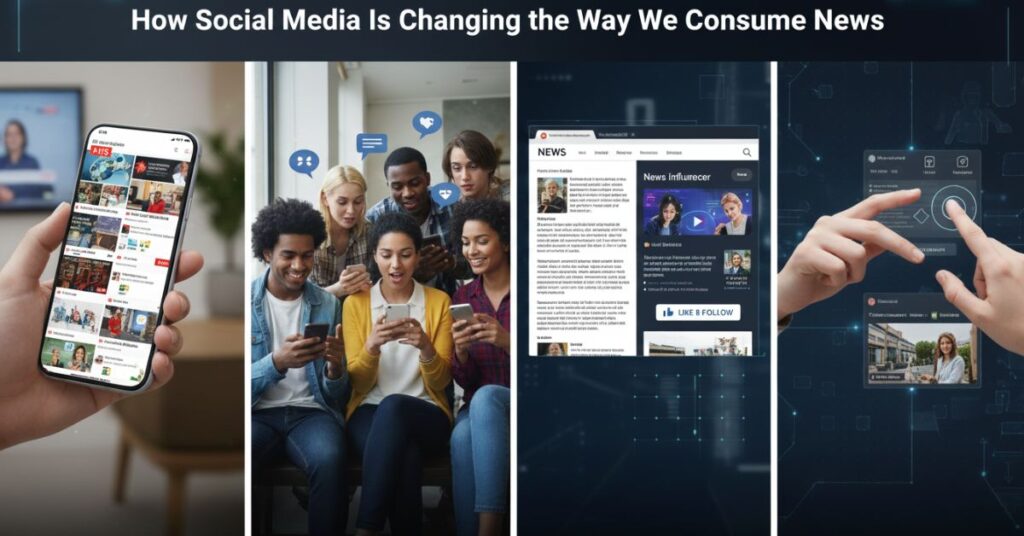
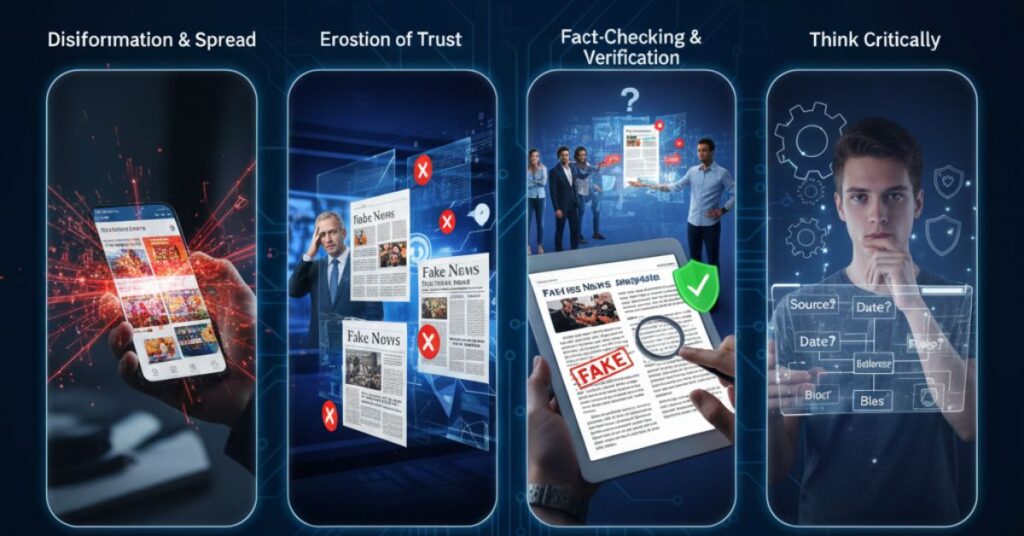
Trust in news media has traditionally played a vital role in shaping informed societies and supporting democratic decision-making. However, in recent years, public confidence in news organizations has steadily declined. Audiences around the world increasingly question the accuracy, neutrality, and intentions of media outlets. To understand why trust in news media is declining, it is necessary to explore changes in technology, political polarization, economic pressures, and evolving audience expectations. Even digital platforms and niche information sources such as 3gagnants pmu reflect how trust issues influence how people choose and evaluate news today.
The Transformation of the Media Environment
The modern media landscape has changed dramatically, altering how news is produced and consumed.
From Traditional Journalism to Digital Platforms
In the past, newspapers, television, and radio served as primary sources of reliable information. These outlets followed established editorial standards and clear accountability structures. Today, digital platforms dominate news consumption. Social media, blogs, and independent websites now compete with traditional journalism. While this shift has increased access to information, it has also blurred the line between professional reporting and unverified content, contributing to declining trust.
Information Overload and Public Confusion
Audiences are exposed to a constant flow of news updates throughout the day. This endless stream of information can overwhelm readers and viewers, making it difficult to separate important facts from noise. When people feel confused or fatigued by news consumption, they may begin to distrust the media as a whole, regardless of source quality.
The Spread of Misinformation and Fake News
One of the strongest drivers behind declining trust in news media is the rise of misinformation.
Speed Over Accuracy in the Digital Age
Digital platforms reward speed and engagement, often at the expense of accuracy. False or misleading stories can spread rapidly before journalists have time to verify facts. When misinformation circulates widely, audiences may assume the media is careless or intentionally deceptive, even when credible outlets work hard to correct errors.
Damage to Media Credibility
Repeated exposure to fake news erodes confidence in journalism overall. Many people no longer distinguish between responsible reporting and unreliable sources. This environment makes it harder for audiences to trust legitimate journalism, including well-established platforms and specialized sites like 3gagnants pmu that aim to provide focused and timely information.
Perceptions of Media Bias and Political Influence
Political polarization has deeply affected how people view news organizations.
Accusations of Agenda-Driven Reporting
Many audiences believe that news outlets promote specific political or ideological agendas. Whether these perceptions are accurate or not, they shape public trust. When people feel that reporting is biased, they are less likely to accept information, especially if it challenges their personal beliefs.
Fragmented News Consumption
Political divisions have encouraged people to consume news selectively. Audiences often choose outlets that align with their views while dismissing others as untrustworthy. Over time, this behavior reinforces skepticism toward journalism as a whole and fuels the belief that no news source can be fully trusted.
Economic Pressures Facing News Organizations
Financial challenges have also played a significant role in the decline of trust.
Dependence on Advertising Revenue
As traditional revenue models weakened, many news organizations became increasingly reliant on digital advertising and sponsored content. This shift has raised concerns about editorial independence. Audiences may suspect that advertisers influence coverage, weakening confidence in journalistic integrity.
Click-Driven Content and Sensationalism
The competition for online attention has encouraged sensational headlines and emotionally charged stories. While these strategies attract clicks, they can undermine credibility. When audiences feel manipulated by exaggerated reporting, trust in news media declines, even if the underlying information is accurate.
Changing Journalistic Practices and Public Perception
The way journalism is practiced today affects how audiences judge its reliability.
Pressure to Publish Quickly
The demand for instant updates has increased pressure on journalists to publish stories rapidly. In some cases, this leads to incomplete reporting or factual errors. Even when corrections are issued, initial mistakes can have a lasting impact on public trust.
Reduced Focus on In-Depth Reporting
Investigative journalism requires time, expertise, and financial investment. Economic constraints have forced some outlets to reduce long-term investigative projects. When audiences see fewer in-depth stories, they may perceive journalism as shallow or driven by trends rather than truth.
The Influence of Social Media on News Trust
Social media platforms have become primary gateways to news, significantly shaping public perception.
Algorithmic Amplification of Content
Social media algorithms prioritize engagement, often amplifying sensational or divisive stories. This distorted exposure can lead audiences to associate journalism with conflict and misinformation. When users encounter misleading content repeatedly, they may lose trust in news entirely.
Loss of Context and Nuance
News stories shared on social media are often stripped of context. Headlines or short clips circulate without full explanations, increasing the risk of misunderstanding. This fragmented consumption damages trust, as audiences may feel misled or inadequately informed.
Broader Decline in Institutional Trust
The decline in trust in news media reflects a wider erosion of confidence in institutions.
Skepticism Toward Authority
In many societies, trust in governments, corporations, and public institutions has weakened. News organizations, often viewed as part of the establishment, are affected by this broader skepticism. As a result, journalism faces heightened scrutiny and doubt.
Rising Demand for Transparency
Modern audiences expect openness about how news is reported. When media organizations fail to explain their sources, corrections, or editorial decisions, trust erodes. Transparency has become essential for maintaining credibility in journalism, whether for large outlets or niche platforms such as 3gagnants pmu.
Technological Challenges to News Credibility
Advancing technology has introduced new threats to trust in journalism.
Manipulated Media and Deepfakes
Technological tools now make it easy to alter images, videos, and audio recordings. Deepfake content has increased public skepticism toward visual evidence. When audiences cannot trust what they see or hear, confidence in news reporting declines further.
Accelerated News Cycles
Technology has shortened news cycles, leaving little room for reflection or verification. Rapid reporting can spread unverified information, reinforcing the perception that news media prioritizes speed over accuracy.
Paths Toward Rebuilding Trust in News Media
Despite these challenges, trust in journalism can be restored through consistent effort.
Reinforcing Ethical Standards
News organizations that prioritize accuracy, accountability, and clear corrections can rebuild credibility over time. Strong editorial standards help audiences recognize trustworthy journalism amid widespread misinformation.
Strengthening Audience Relationships
Engaging openly with audiences helps rebuild trust. Explaining how stories are developed, why certain sources are used, and how mistakes are addressed fosters understanding and confidence. This approach is increasingly important for digital-first platforms and specialized information services like 3gagnants pmu.
The Future of Trust in Journalism
The future of journalism depends on its ability to adapt without compromising core values.
Balancing Speed and Reliability
Audiences may tolerate slower reporting if it ensures accuracy and depth. News organizations that balance speed with verification are more likely to regain public trust.
Promoting Media Literacy
Educating audiences about how journalism works empowers them to evaluate information critically. Media literacy helps people distinguish credible reporting from misinformation, supporting a healthier relationship between the public and the news media.
Conclusion
Understanding why trust in news media is declining reveals a complex interaction of digital disruption, political polarization, economic pressure, and technological change. While trust has been weakened, it is not beyond repair. By committing to transparency, accuracy, and ethical reporting, journalism can rebuild credibility and reaffirm its role in society. In an information-rich world, trusted news sources, including focused platforms like 3gagnants pmu, remain essential for informed decision-making and public understanding.
Read Also: How Artificial Intelligence Is Transforming Journalism